What does a normal day feel like when your backyard is the Atlantic and the Indian River Lagoon? If you are exploring Sailfish Point, you are likely picturing coffee on the patio, a morning run by the water, and an afternoon on the boat or the golf course. You want a clear sense of daily rhythm and the practical details that make coastal ownership work. In this guide, you will learn how life flows inside the community, what to expect season by season, and the key questions to ask before you buy. Let’s dive in.
Where Sailfish Point sits
Sailfish Point is a private coastal community in Martin County near Stuart. It occupies a barrier‑island setting with direct access to the Indian River Lagoon and a short run to the Atlantic Ocean through nearby inlets. That mix creates a true waterfront lifestyle with both inshore and offshore options.
You will rely on a car for daily errands and dining in the Stuart area. For air travel, most residents use major South Florida airports, including Palm Beach and Fort Lauderdale. If you boat, local navigation rules and no‑wake zones apply, and you should stay alert for protected wildlife in the surrounding waters.
The natural context matters here. The Indian River Lagoon is an important estuary, so lighting, landscaping, and boating practices often reflect local conservation rules. Planning ahead for storms, flood risk, and seasonal weather is part of responsible ownership in this setting.
Marina life, every day
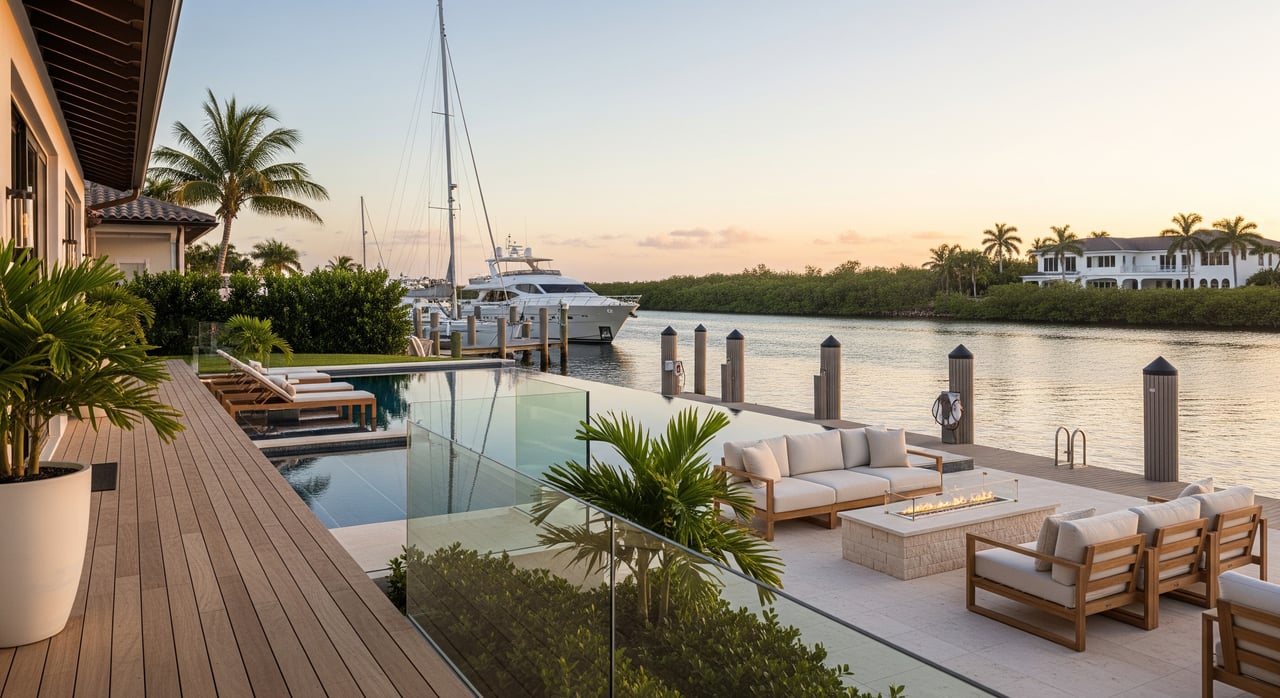
If you love boats, the marina culture is a big part of the appeal. Mornings often start with quick checks on lines and gear, then a run for fuel or a pump‑out if needed. You will see neighbors heading out for inshore fishing, offshore trips when the weather cooperates, or easy cruises along the Intracoastal.
Afternoons bring a different pace. Many owners rinse down after a day on the water and catch up dockside. Expect a friendly wave culture, periodic maintenance days, and simple routines like keeping a lookout for manatees and following posted speed limits. Evenings often include sunset rides or a walk to the marina to watch boats return.
If you are a buyer with a vessel, confirm the details that matter: slip availability, draft and size limits, guest dock policies, and any restrictions on extended dock storage. Ask about on‑site services such as fueling, pump‑out, and service vendors so you understand how day‑to‑day boat care works.
Club, golf, and recreation
In communities like Sailfish Point, the private club is the social hub. You can expect a mix of dining options, a fitness center, spa services, racquet sports, and a golf experience that anchors the calendar. For golfers, tee‑time policies, guest access, and practice facilities shape your routine, so be sure to review them before you join.
Your day might include a morning fitness class, a late‑morning round, and a casual lunch overlooking the water. Evenings tend to bring member events, live music on select nights, or a quiet dinner with friends. It is an easy, resort‑style rhythm that balances activity with relaxation.
If you prefer a slower day, there are walking paths, casual bike rides, and time on the beach. The club’s social calendar expands in high season, so you will find more events and programming from late fall through early spring.
Beach access and the Atlantic
Life on the Atlantic side is about simple routines. You might take a swim, try surf fishing on calm days, collect shells after a front pushes through, or meet friends for a sunrise walk. Some communities offer direct or private beach access, while others rely on nearby public entry points. Confirm the specifics with the community so you know whether access is included with ownership or tied to club membership.
Seasonal rules apply on Florida’s east coast. During sea turtle nesting season, usually May through October, lighting and nighttime beach activity can be restricted. Pay attention to community guidelines and county ordinances so your home and outdoor spaces comply.
Pace of life and seasons
The tempo shifts throughout the year. High season typically runs from November through April, when more residents are in town and the social calendar is full. The marina is busier, and there are more club events and dining hours.
From late spring through early fall, the community grows quieter. It can be hotter and more humid, which makes early‑morning workouts, golf, or boat runs more popular. Many owners schedule maintenance projects and dock work during these months. Weekdays are often relaxed, while weekends draw more outings and gatherings.
Practical ownership essentials
HOA, club membership, and rules
Before you buy, clarify the relationship between the homeowners association and the club. Ask if club membership is mandatory or optional, whether there are initiation fees, and how annual dues are structured. Review the covenants and architectural guidelines so you understand rules for exterior changes, landscaping, and hurricane shutters. If you plan to rent your home periodically, confirm the short‑term rental policy and guest rules.
Insurance, flood risk, and storm plans
Waterfront homes in Martin County often sit in FEMA‑mapped flood zones. You should review the flood zone for any property you are considering and request elevation information if available. Obtain quotes for homeowners insurance, wind and hurricane coverage, and flood insurance so you know the true carrying costs.
Ask about the community’s storm preparedness. Learn evacuation routes, generator guidelines, and how the club or HOA communicates before and after storms. Coastal buyers also benefit from tracking long‑term trends, such as sea level rise and changes in the insurance market.
Docks, seawalls, and permits
If your property includes a dock or seawall, maintenance responsibility and permitting are key. Confirm who pays for upkeep, whether there are current or past repairs, and how permits are handled for future work. In Florida, environmental rules can influence dock design and timing, especially in areas with seagrass or manatees. Vessel size limits, liveaboard policies, and guest docking rules are all important to understand before closing.
Utilities, services, and logistics
Barrier‑island utilities can vary, so verify providers for water, sewer, trash, cable, and Internet. Ask about bulk pickup schedules, contractor access hours, and parking rules to plan renovations or seasonal projects. Identify the nearest medical services and typical response procedures for emergencies.
Taxes and recurring costs
Property taxes are set by Martin County and local taxing entities. In your budget, include HOA assessments, club dues if applicable, insurance, and dock or boat expenses. If you anticipate community‑wide improvements, ask about recent or pending special assessments to avoid surprises.
Quick buyer checklist
Use this list to guide your due diligence before touring or making an offer:
Governance and costs
- Is club membership mandatory or optional, and what are the initiation and annual fees?
- What are the HOA dues, and are there recent or pending special assessments?
Property and dock specifics
- Does the home include a deeded slip, and what are size and draft limits?
- Who maintains the seawall and dock, and are there any recent repairs or open permits?
Insurance and hazards
- What FEMA flood zone applies, and is there an elevation certificate?
- Do sample quotes for homeowners, wind, and flood insurance align with your budget?
Usage restrictions
- What is the short‑term rental policy and the guest access process?
- What are the rules for exterior changes, landscaping, generators, and shutters?
Club and lifestyle
- Review a sample weekly social calendar, dining hours, and menus.
- Confirm golf tee‑time policies and guest access.
- Ask about marina rules, guest dockage, and on‑site services such as fuel and pump‑outs.
Day‑to‑day practicalities
- Which Internet and cable providers serve the home, and what speeds are typical?
- What is the trash and bulk pickup schedule, and what are contractor working hours?
- Where are the nearest urgent care and hospital facilities?
Inspection and systems
- Assess seawall and bulkhead condition, looking for erosion or seepage.
- Inspect dock structure, electrical service, and water at the slip.
- Check roof and AC age, and note generator presence and condition.
- Review termite and moisture history, including any signs of intrusion or mold.
Negotiation and timing
- Request recent utility bills and HOA or club financial statements.
- Read the covenants and recent meeting minutes to surface active community issues.
Who loves Sailfish Point
Buyers who thrive here tend to enjoy an active, outdoor lifestyle with easy access to boating, golf, and the beach. Some are seasonal owners who arrive during the winter months for a busy social calendar, while others live here year‑round and favor the quieter off‑season. Boaters and anglers appreciate the quick run from lagoon to ocean, and golfers benefit from the convenience of a private course close to home.
If you want privacy, a resort‑style routine, and strong community amenities, Sailfish Point delivers. If you prefer a bustling urban setting, the slower tempo of a barrier‑island community may feel too relaxed. Understanding your ideal pace is the key to the right fit.
How Trisha helps you buy with confidence
Choosing a waterfront home is about lifestyle and logistics. You deserve clear guidance on flood zones, insurance, seawalls, docks, and permitting, plus a real feel for club life and seasonality. With construction and permitting expertise and hands‑on service, Trisha helps you verify the details that matter, coordinate inspections, and connect with trusted mortgage and insurance resources.
If Sailfish Point is on your list, let’s tailor a plan that fits your goals, timeline, and budget. Reach out to Trisha Hutchinson to explore available homes and get a step‑by‑step path to your ideal waterfront routine.
FAQs
What does a typical day look like in Sailfish Point?
- Expect early walks, mid‑day boating or golf, and evening dining at the club, with a busier pace in winter and quieter summer months.
What should boat owners verify before buying here?
- Confirm slip availability, size and draft limits, fueling and pump‑out services, guest dock rules, and who maintains docks and seawalls for the property.
How do flood zones and insurance affect waterfront homes?
- Most coastal homes fall within FEMA‑mapped flood zones, so review the property’s zone and elevation and obtain quotes for homeowners, wind, and flood coverage.
When is the busy season for social events?
- High season generally runs from late fall through early spring, when more residents are in town and the club calendar and marina activity increase.
Does the community include private beach access?
- Beach access varies by community rules and membership, so confirm whether access is private or shared and whether any specific policies apply.
How convenient is access to services and airports?
- You will drive for daily errands and dining in nearby Stuart, and most residents use Palm Beach or Fort Lauderdale for commercial air travel, with drive times depending on traffic.