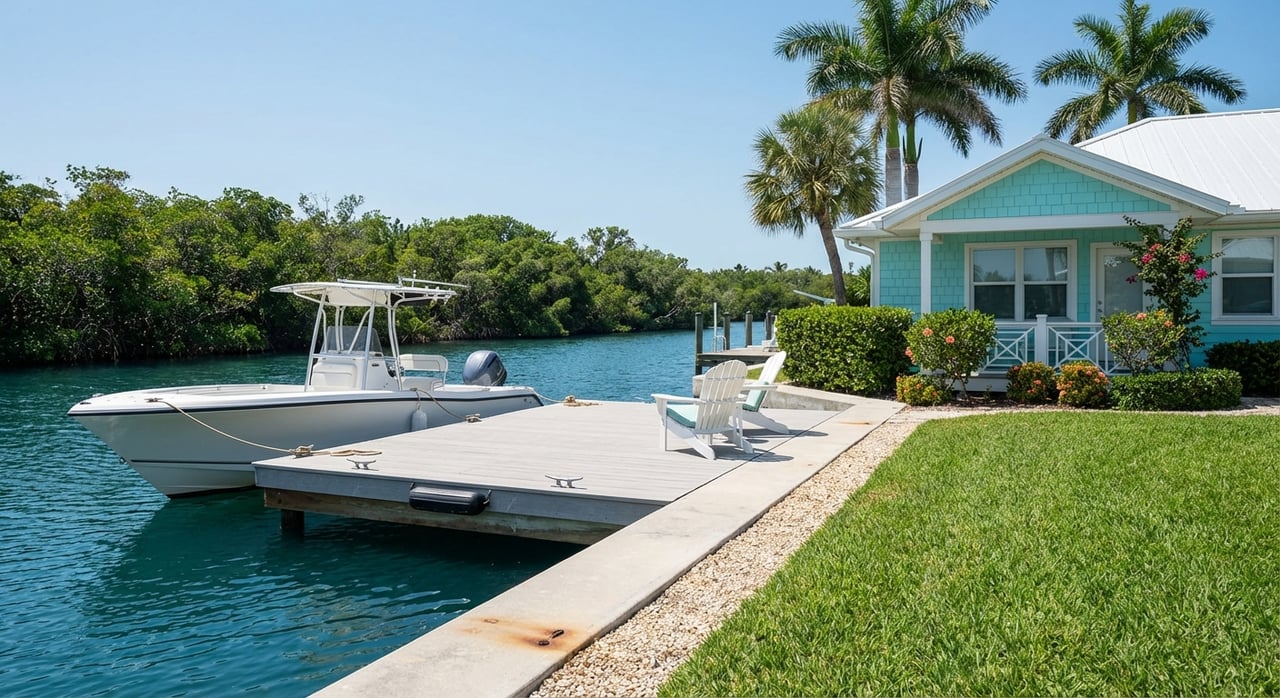
Picture this: you step from your backyard to your boat and reach the ocean in minutes. If that lifestyle speaks to you, Tequesta deserves a serious look. The village sits at the edge of blue waterways that make boating simple and fun, whether you prefer cruising the Intracoastal or running offshore. In this guide, you’ll learn how Tequesta sets you up for easy water access, where to keep your boat, the types of homes that work best for boaters, and the practical checks to make before you buy. Let’s dive in.
Why Tequesta works for boaters
Tequesta sits at the northern tip of Palm Beach County on Florida’s east coast, fronting the Intracoastal Waterway and the Loxahatchee River, just north of the Jupiter Inlet. That geography gives you quick runs to the ocean as well as calm inshore cruising. The combination of river, Intracoastal, and inlet access makes day trips, fishing runs, and dock-and-dine stops easy and flexible.
To get your bearings, start with the basics on the village of Tequesta. Then focus on your daily routes: most local boaters idle through the Intracoastal for short hops and use Jupiter Inlet for offshore access when conditions allow.
Where to keep your boat
Full-service marinas
- Blowing Rocks Marina (Tequesta). Offers wet slips, dry storage, fuel (gas and diesel), pump-out, and on-site dining with a quick run toward Jupiter Inlet. Review current slip sizes, services, and approach details on the Blowing Rocks Marina site.
- Jupiter Pointe Club & Marina (Tequesta). A large operation with indoor dry storage, wet slips, service, and membership options. The facility advertises hurricane-rated storage; verify current specifications and procedures with the dockmaster at Jupiter Pointe.
- Jupiter Inlet Marina / Utiki Beach Marina. Right at the inlet with transient dockage and popular dock-and-dine options. Check transient policies and availability at Utiki Beach Marina.
Nearby Jupiter facilities, including The Bluffs and others, add wet slips, fueling, and haul-out services that keep you close to Tequesta routes.
Public ramps and trailer launches
If you trailer your boat, Palm Beach County maintains convenient launch sites. Burt Reynolds Park in Jupiter offers multiple ramps, trailer parking with permit rules, and transient tie-ups. DuBois Park is another local favorite for short idle runs to the inlet. Always confirm current hours, fees, and parking requirements on county pages before you go.
Dry stack storage and boat clubs
Dry stack storage is popular here because it combines convenience with storm preparation. Facilities like Jupiter Pointe offer large indoor storage and boat-club programs. Ask about haul-out procedures, storm timelines, and how fast staff can launch your boat on busy weekends.
Boat-friendly home options
Intracoastal or canal-front single-family
These homes deliver the dream: a private dock or lift and immediate access to the Intracoastal. You gain daily convenience, but you also take on seawall and dock maintenance. Before you write an offer, confirm recorded dock and seawall permits, any vessel-size limits tied to depth or lot geometry, and whether the site can support your ideal lift.
Canal and inboard basins
Smaller basins can be great for skiffs and center consoles, but you must verify depth at low tide, turning room, and any fixed bridges on your route to the Intracoastal. Narrow turns or shoaling can limit length, beam, and draft. A quick sounding and a conversation with nearby dock owners can save costly surprises.
Near-water homes using marinas
Many buyers choose a home near the water and keep their boat at a marina instead of building or maintaining a private dock. This approach reduces upkeep and shifts you to slip fees or dry stack memberships. If you are considering a condo or HOA, check whether on-site slips, reciprocal arrangements, or waitlists apply.
Dockominium and slip rights
Some Florida marinas sell slip rights as deeded units or through leases and club memberships. The details matter for taxes, resale, and financing. Do not assume a slip is “real property.” Review governing documents and local rules first. For background on how Florida treats slip ownership, see this overview of whether a boat slip is real property in Florida.
Zoning and marina rules
Tequesta’s municipal code sets rules for docks, seawalls, and marinas, including where facilities are allowed and how construction must conform. These standards affect new dockage, lift installations, and any plan to expand marina capacity. When evaluating a property, review the village’s waterway chapter and zoning references in the Tequesta code.
Key checks before you buy
Use this quick checklist to match your boat, your home, and your daily routes:
- Slip size, depth, and approach. Confirm maximum length, beam, and depth at mean low water for any slip or proposed dock. Marina pages often list typical limits. As an example, you can review published amenities and contact details on the Blowing Rocks Marina page and confirm specifics with the dockmaster.
- Bridge clearances and projects. Routes around Jupiter have fixed and bascule bridges that affect your T-top, outriggers, and timing. The US 1 bridge replacement increased vertical clearance and changed channel geometry; review current details on the FDOT project page.
- Permits, HOA rules, and submerged lands. Docks, lifts, and seawalls usually require municipal and state approvals, plus HOA consent where applicable. Start with the village standards in the Tequesta code, then request recent permits and recorded restrictions during due diligence.
- Safety and operating laws. Florida Statute Chapter 327 covers vessel safety, BUI, no-discharge rules, and required equipment. Review the law to understand your responsibilities as a boater in Chapter 327, Florida Statutes.
- Insurance and hurricanes. Ask marinas for their hurricane plan, haul-out capacity, and member requirements. Some facilities advertise hurricane-rated storage; verify what that means in writing.
- Fees, waitlists, and availability. Slip rates and boat-club costs change often and are not always published. Call or email operators to confirm current pricing, deposits, and wait times.
A perfect Tequesta boating day
Launch early from a local marina, idle through the Intracoastal with coffee in hand, and shoot out the Jupiter Inlet when seas are friendly. After a morning offshore, slide back to the sandbar or grab lunch at an inlet-side spot with transient dockage. Wrap up with a sunset cruise on the Loxahatchee and a short ride home. With the right home-and-boat setup, that rhythm becomes your normal weekend.
Ready to explore waterfront homes?
You want a place that fits your boat, your routes, and your lifestyle. With construction and permitting expertise, local dock knowledge, and trusted marina contacts, you can make decisions with confidence. If you’re ready to pinpoint the right property and plan your boat access, connect with Trisha Hutchinson to get a clear, step-by-step path from search to close.
FAQs
What makes Tequesta especially boat friendly?
- Tequesta fronts the Intracoastal and Loxahatchee River just north of the Jupiter Inlet, so you get calm inshore cruising and quick ocean access with minimal transit time.
Where can you launch a trailer boat near Tequesta?
- Burt Reynolds Park in Jupiter offers multiple ramps and trailer parking with permit rules, and DuBois Park is another nearby option; check county pages for current details.
Can you keep a large yacht at a private Tequesta dock?
- It depends on your lot’s frontage, depth at low tide, turning room, and local rules; many single-family lots suit small to medium boats while larger yachts often use full-service marinas.
Do Tequesta condos typically include boat slips?
- Sometimes; slips may be included, assigned, or available through a separate marina or waitlist, so review the condominium declaration and HOA documents before you buy.
How do bridge projects affect boating around Tequesta?
- The US 1 bridge replacement increased vertical clearance and adjusted channel geometry, which can change whether you need an opening and how you plan your route and timing.
What due diligence should you do on a waterfront home?
- Verify dock and seawall permits, confirm low-tide depths and bridge clearances for your boat, review HOA and village rules, and speak with local marinas about storage or slips.