Trying to choose between a condo and a single-family home on Jupiter Island? In most beach markets, that question opens up a long list of options. On Jupiter Island, the answer is more specific because the town is intentionally low-density and built primarily around single-family residential estates. If you want to buy here, it helps to understand how ownership, maintenance, and budgeting work in this unique setting. Let’s dive in.
Jupiter Island Is Different
Jupiter Island is not a typical condo-heavy coastal market. According to the town’s planning framework, the island is a barrier island of about 1,643 acres with roughly nine miles of ocean frontage, and its primary land uses are single-family residential estates and conservation or preservation areas.
That matters because your decision is not just about lifestyle. It is also about buying into a very limited housing structure where detached homes are the dominant form of ownership. The town’s plan also states that future housing development should be restricted to single-family residences, with multiple-family uses tied to the Jupiter Island Club and employee housing.
What This Means for Buyers
If you are comparing a condo with a house on Jupiter Island, you are not weighing two equally common property types. You are comparing a niche ownership option against the island’s primary and preferred housing model.
For many buyers, that changes the conversation. Instead of asking which property type is better in general, the better question is which ownership style fits the way you want to live, maintain property, and plan your long-term costs.
Why You Might Choose a Condo
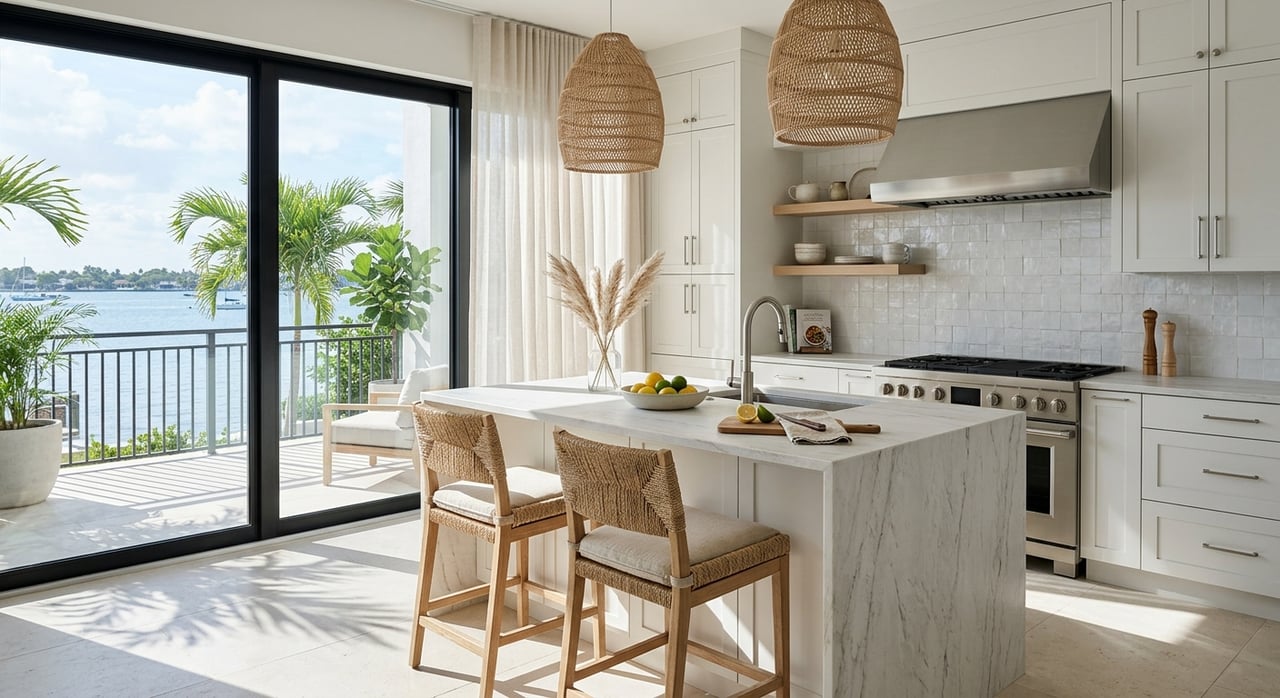
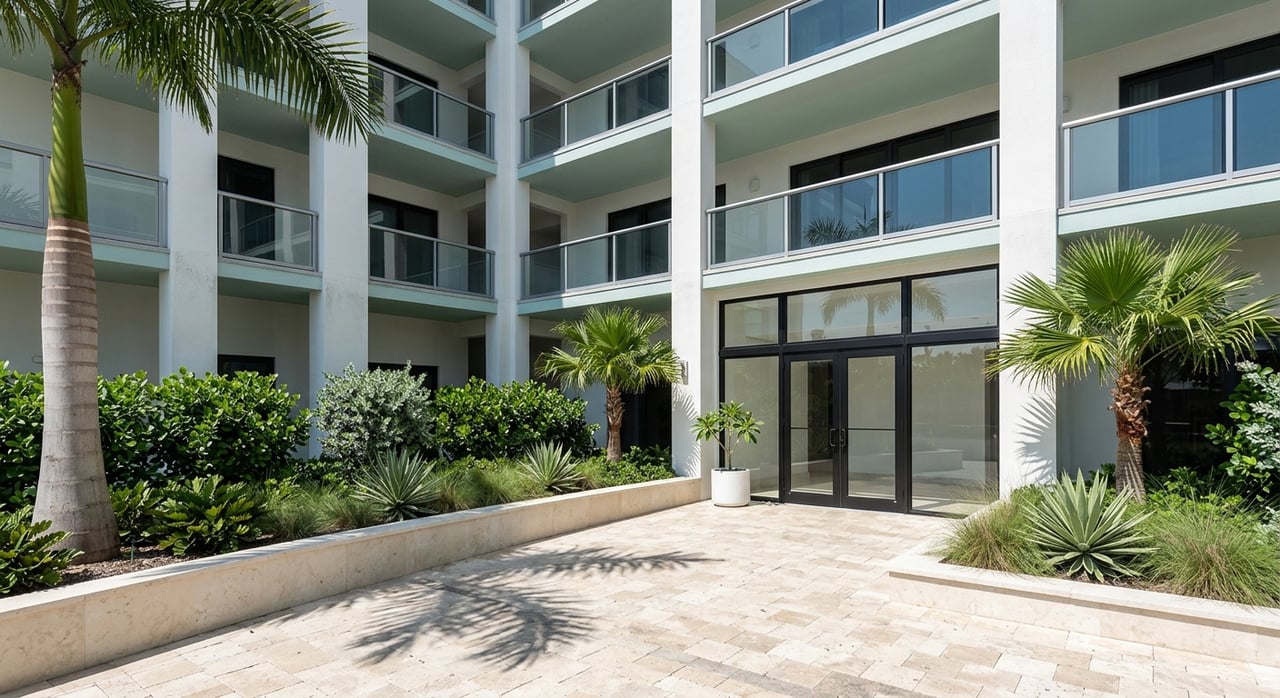
A condo can make sense if your top priority is simplicity. In Florida, condo ownership generally gives you exclusive possession of your unit, while the association is responsible for maintaining the common elements and other condominium property assigned to it by the declaration.
In practical terms, that often means less direct responsibility for exterior upkeep and shared building systems. If you want a more lock-and-leave lifestyle, that structure may feel more manageable than owning and maintaining a detached coastal home on your own.
Condo Maintenance Structure
One of the biggest advantages of condo ownership is shared maintenance responsibility. Common elements typically include areas outside the unit and systems that serve more than one unit, so building upkeep is often handled through the association rather than by each owner individually.
That can create more predictability in day-to-day ownership. It also means you will be part of a shared decision-making structure, which is important if you prefer oversight and organized planning over handling every major item yourself.
Condo Reserve Rules Matter
In Florida, condo reserves and inspections have become a major part of the ownership picture. Residential condominium associations must complete a structural integrity reserve study at least every 10 years for each building that is three habitable stories or higher, covering items such as the roof, structure, plumbing, electrical, waterproofing, windows, exterior doors, and other major components.
For qualifying owner-controlled associations, required reserves for those items cannot simply be underfunded by owner vote. That means monthly costs may feel higher in some buildings, but the tradeoff can be a more structured approach to long-term maintenance.
Barrier-Island Exposure Adds Importance
On a barrier island like Jupiter Island, long-term building exposure matters. Florida law requires milestone inspections for condo or cooperative buildings that are three habitable stories or more, generally when the building reaches 30 years old and every 10 years after that. In saltwater-proximate conditions, local enforcement may require the inspection at 25 years.
For buyers, that makes due diligence especially important. You will want to understand the building’s inspection status, reserve planning, and future repair outlook before you commit.
Why You Might Choose a Single-Family Home
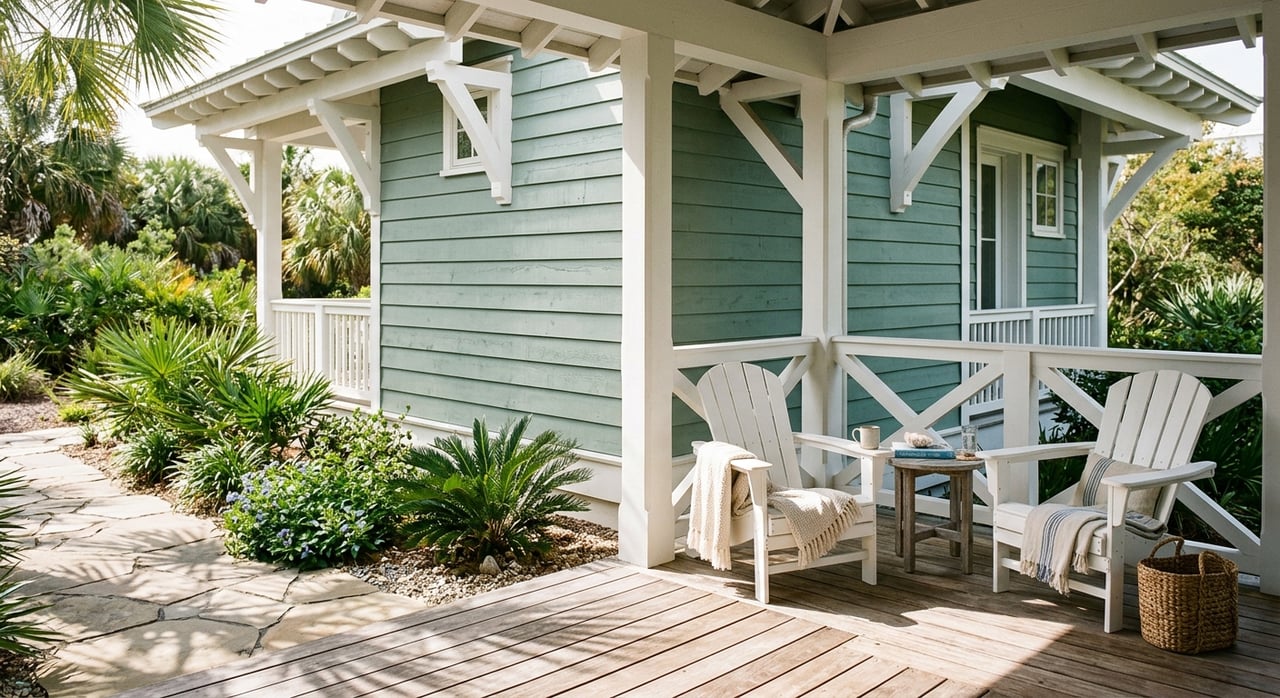
If privacy, control, and space are your priorities, a single-family home is the more natural fit on Jupiter Island. The town’s own planning documents describe the island as a low-density residential community centered on secluded estates, which aligns closely with what many buyers expect from this location.
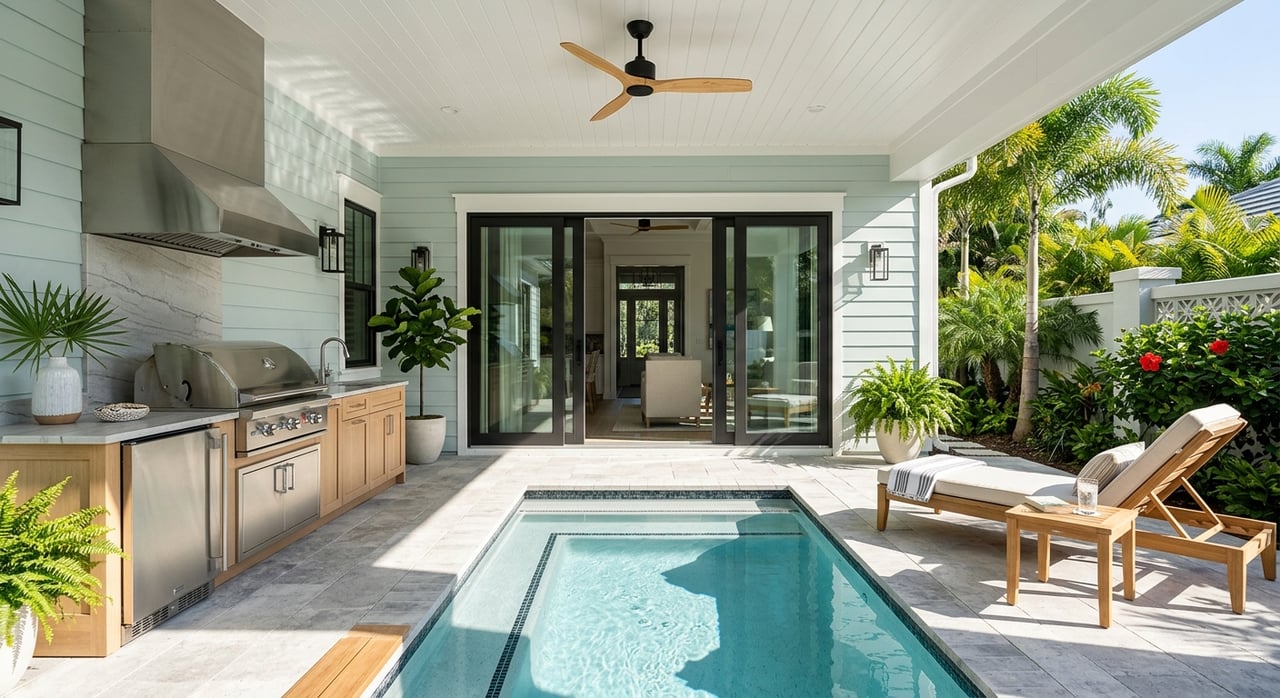
A detached home also gives you a more independent ownership experience. If you want more control over your property footprint, guest accommodations, or the overall feel of your home, that can be a meaningful advantage.
Single-Family Is the Island Standard
On Jupiter Island, single-family ownership is not just common. It is the defining housing pattern. The town plan points to detached homes as the core of the community, with accessory quarters for guests and employees remaining part of that model.
For buyers seeking the signature Jupiter Island lifestyle, that matters. A single-family home often aligns more closely with the island’s established character, privacy expectations, and low-density setting.
More Control Usually Means More Responsibility
The tradeoff is simple. The more independent your property is, the more direct responsibility you usually take on.
On Jupiter Island, that may include maintenance items that condo owners often expect an association to handle, such as the roof, exterior finishes, landscaping, pool systems, seawalls or docks if present, and septic-related issues where applicable. The town’s infrastructure plan notes that most residential and developed properties are served by on-site septic tanks, except for the Jupiter Island Club and the 600 block of South Beach Road.
That detail matters more than many buyers realize. Septic service is one more example of how detached-home ownership here can involve system-level maintenance responsibilities that may not exist in the same way in a condo setting.
How HOA Budgeting Differs
If your single-family home is in a homeowners’ association, do not assume the budgeting structure will work like a condo association. Under Florida’s HOA law, reserve accounts for capital expenditures and deferred maintenance are optional unless the governing documents or membership action create them.
Even when reserves exist, the membership can still vote to provide no reserves or less reserves for one budget year. If reserves are not fully funded, the financial report must warn that special assessments may result. For you as a buyer, that means lower dues do not always equal lower long-term cost.
Compare the Real Tradeoffs
The condo-versus-house decision on Jupiter Island usually comes down to how much maintenance, oversight, and budgeting structure you want around your ownership experience.
Here is a simple way to compare the two:
| Ownership Type | Best Fit If You Want | Key Tradeoff |
|---|---|---|
| Condo | Lower-maintenance living, shared services, more association-run upkeep | Less individual control and more shared governance |
| Single-family home | Privacy, land control, guest space, independent ownership | More direct responsibility for repairs and systems |
Neither option is automatically better. The right choice depends on whether you value ease and structure more, or privacy and control more.
Don’t Overlook Taxes and Ownership Costs
Association dues are only one part of your budget. Martin County’s 2025 final millage table lists Jupiter Island real-property levy code 4300 at 3.9952 per $1,000 of taxable value, with total millage at 16.3525 per $1,000 of taxable value.
Your actual tax bill will still vary based on the property, exemptions, and any special district charges. Still, the takeaway is clear: on Jupiter Island, ownership costs are shaped by both public taxes and the property’s association or maintenance structure.
Due Diligence Questions to Ask Early
No matter which property type you prefer, document review should happen early in the process. On Jupiter Island, this step can help you understand not only current costs, but also future repair exposure and decision-making rules.
If You’re Considering a Condo
Ask for these items as early as possible:
- The condominium declaration
- The current budget
- The milestone inspection summary, if applicable
- The most recent structural integrity reserve study, if applicable
- Any required condo disclosures tied to inspections and reserves
For contracts entered after December 31, 2024, Florida law requires sellers or developers to provide certain disclosures related to milestone inspections and reserve studies when applicable. These are core due-diligence documents, not extras.
If You’re Considering a Single-Family Home in an HOA
Ask for these items early as well:
- The covenants and restrictions
- The current HOA budget
- The reserve policy
- Any history of special assessments
This review helps you see whether dues are supporting long-term maintenance or whether future owner costs may be pushed forward through assessments or direct repair responsibility.
The Bottom Line on Jupiter Island
On Jupiter Island, the condo-versus-house question is really a question about ownership style within a tightly controlled coastal market. Because the island is primarily built around single-family estates, a detached home is the standard choice for buyers who want privacy, land control, and a more independent property experience.
A condo can still be the right fit if your goal is lower-maintenance ownership and a more association-managed structure. The key is understanding that on Jupiter Island, the decision is less about picking between two equal product types and more about choosing how much maintenance responsibility, reserve-driven budgeting, and shared oversight you want in your daily life.
If you want help comparing Jupiter Island properties with a sharp eye on maintenance realities, association structure, and long-term ownership costs, Trisha Hutchinson can help you make a confident, well-informed move.
FAQs
Is Jupiter Island mostly condos or single-family homes?
- Jupiter Island is primarily a low-density single-family residential market, with the town’s planning documents describing single-family estates as the dominant housing form.
What is the main benefit of buying a condo on Jupiter Island?
- The main benefit is usually a lower-maintenance ownership experience, since condo associations generally handle common elements and shared building systems.
What is the main benefit of buying a single-family home on Jupiter Island?
- The main benefit is greater privacy, land control, and a more independent ownership experience in the island’s signature estate-style setting.
Do Jupiter Island single-family homes often have septic systems?
- Yes. The town’s infrastructure plan states that most residential and developed properties on Jupiter Island are served by on-site septic tanks, with limited exceptions.
What condo documents should Jupiter Island buyers review before closing?
- Buyers should review the condo declaration, current budget, milestone inspection summary if applicable, and the most recent structural integrity reserve study if applicable.
Why do reserve studies matter for Jupiter Island condos?
- Reserve studies matter because Florida law requires structured reserve planning for qualifying condo buildings, which helps buyers understand future maintenance funding and possible cost exposure.
Are HOA reserves required for single-family communities on Jupiter Island?
- Not in the same way as condos. Under Florida HOA law, reserves are generally optional unless required by the governing documents or created by membership action.