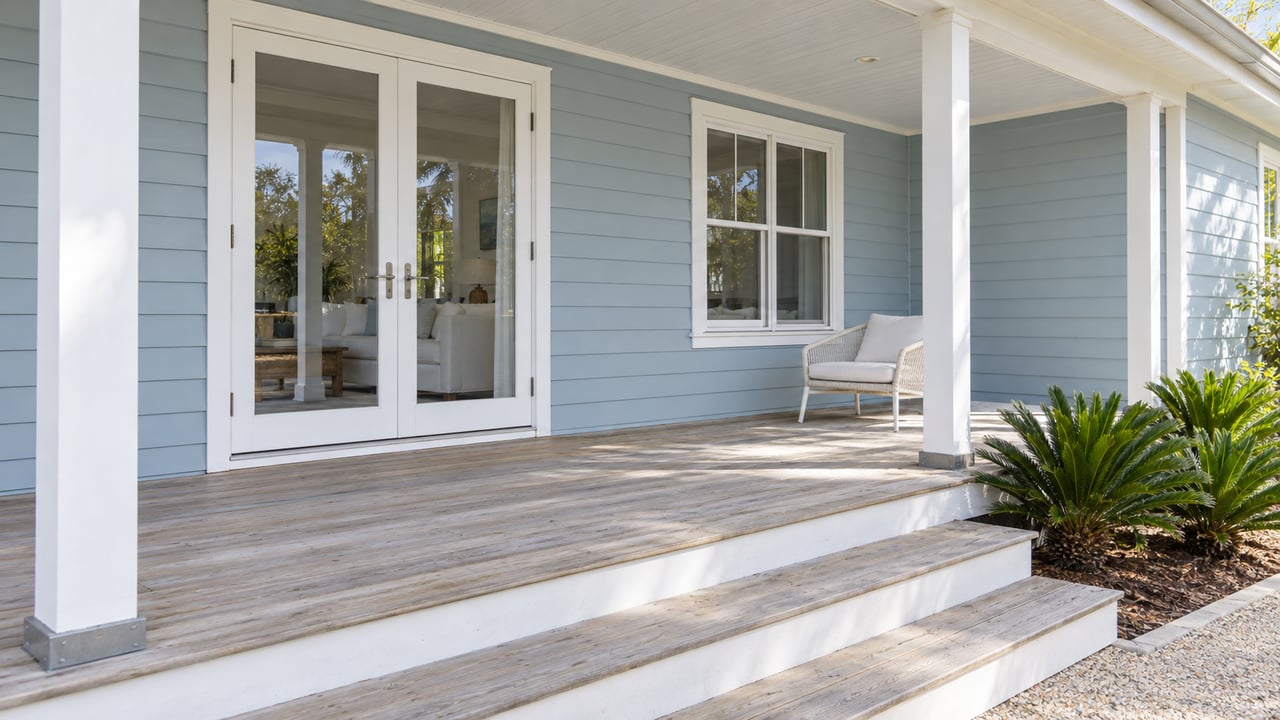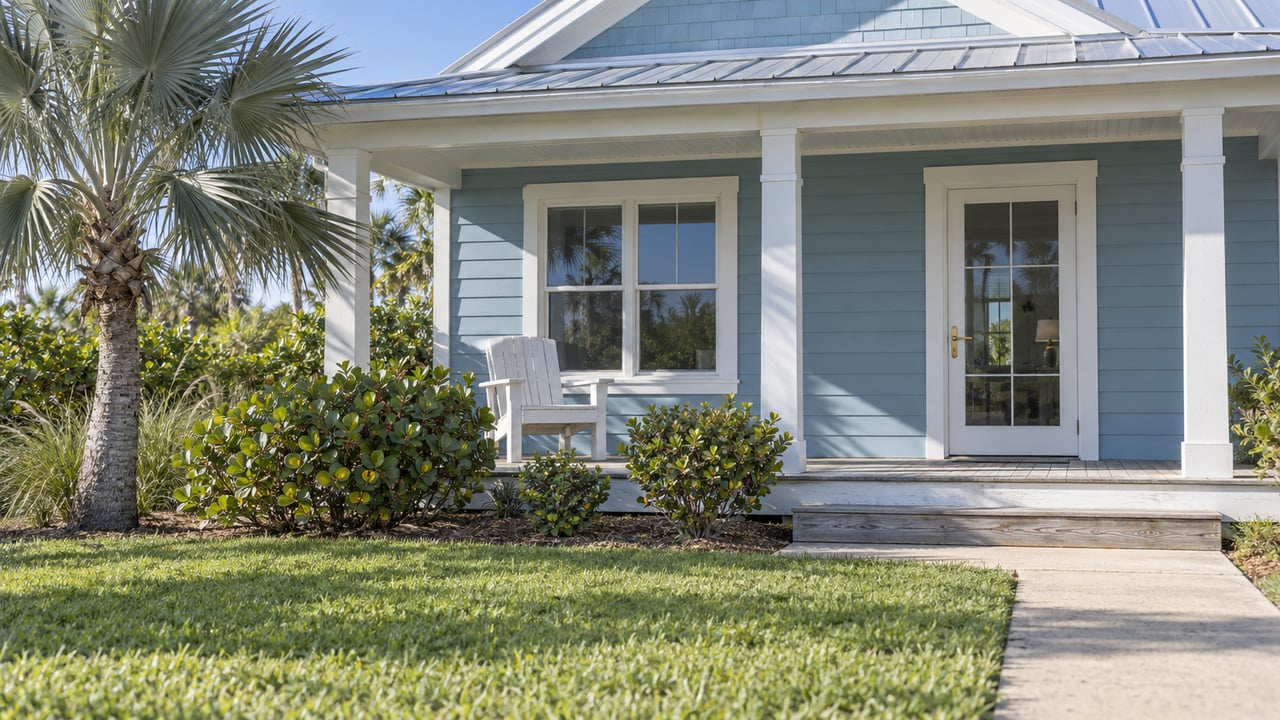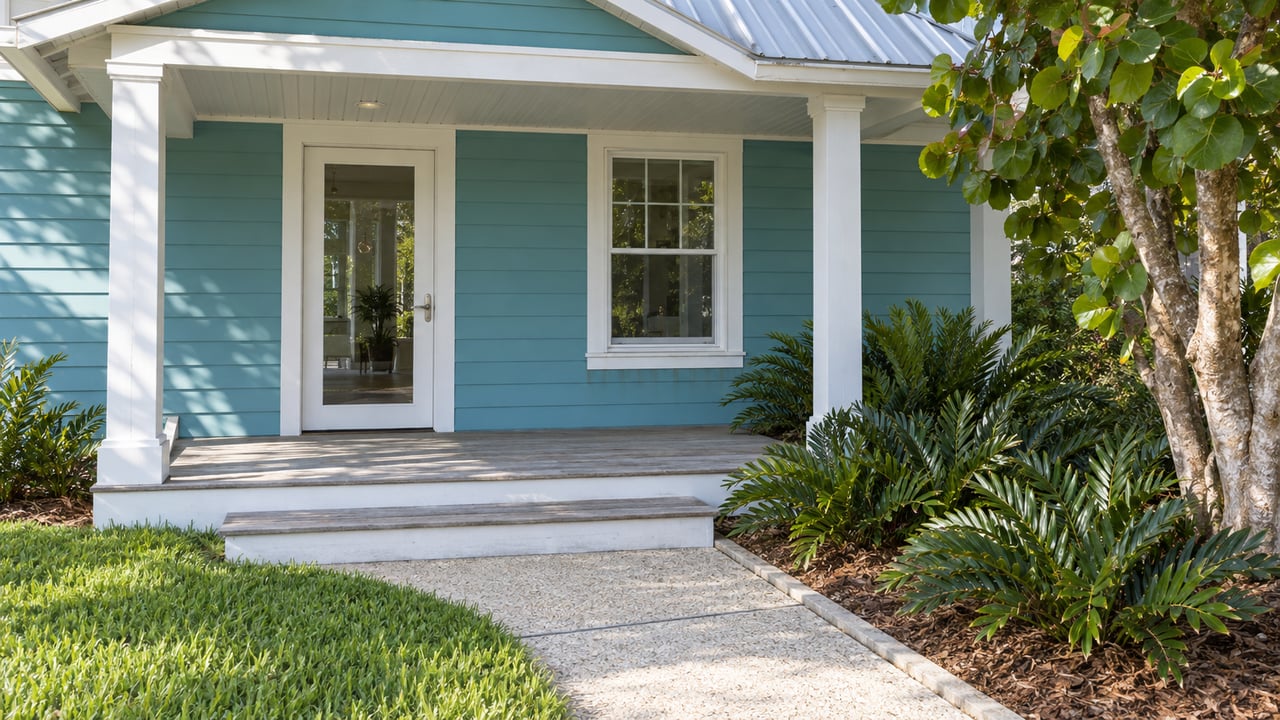
Selling a home on Jupiter Island is not just about putting a sign in the yard. Buyers in this coastal market often look closely at condition, documentation, and presentation from the start. If you want to sell with confidence, it helps to prepare your property in a way that feels polished, well-maintained, and easy for a buyer to understand. Let’s dive in.
Why preparation matters on Jupiter Island
Jupiter Island sits within Martin County’s coastal system, and local property prep comes with a few considerations that matter more here than in many inland markets. According to Martin County coastal guidance, barrier islands are identified as Zone AB for evacuation purposes, and the county notes that every property is in a flood zone, with A and V zones carrying higher flood risk.
That does not mean your home is harder to sell. It means buyers may pay extra attention to flood zone details, drainage, storm-readiness, and maintenance records. If you prepare early, you can answer questions clearly and avoid last-minute surprises.
Jupiter Island also has a strong coastal protection context. The Town’s Beach Protection District exists to protect beaches and lands from erosion, storms, waves, currents, and high water. For you as a seller, that often means buyers may want clarity around dune condition, shoreline work, drainage, and whether any past exterior changes were properly permitted.
Focus on what buyers notice first
When homeowners get ready to sell, it is easy to think the answer is a major remodel. In many cases, that is not the best use of your time or money. A smarter strategy is to focus on the issues buyers see right away or the items that may raise concerns during inspections.
National research supports that approach. NAR’s 2025 staging report shows that seller recommendations commonly include decluttering, deep cleaning, and curb appeal improvements. The same report found that 83% of buyer agents think staging makes it easier for buyers to envision a property.
For resale return, Zonda’s 2025 Cost vs. Value report found that exterior improvements tend to deliver the strongest value, while large interior remodels are often too subjective to offer the same payoff. That is especially useful in a market like Jupiter Island, where buyers often judge a home’s readiness very quickly.
Start with high-impact repairs
Before you think about furniture placement or photo day, take care of the items that can weaken buyer confidence. In a coastal setting, visible wear can signal bigger maintenance questions, even when the issue itself is minor.
Your first repair list should usually include:
- Roof wear or visible aging
- Signs of water intrusion
- Corroded exterior fixtures or hardware
- Uneven or failing pavers and walkways
- Pool or spa equipment issues
- Overgrown or neglected landscaping
- Dated but highly visible finishes
These are the details that can affect first impressions, inspections, and negotiating power. If your home already includes storm-resilience upgrades, that can also be worth highlighting. Zonda reports that a backup generator ranked among top projects and delivered ROI above 100% in hurricane-prone and storm-affected regions.
Verify permits before work begins
On Jupiter Island, confidence does not come from appearance alone. It also comes from making sure repairs or improvements are properly handled.
The Town’s Building Department oversees zoning, permitting, plan review, inspections, contractor licensing, and code enforcement. The Town states that anyone planning to construct, enlarge, alter, repair, move, demolish, or otherwise work on regulated systems must first apply for and obtain the required permit.
That matters for sellers in two ways. First, if you plan to complete work before listing, you want to know whether permits are required. Second, if you completed work in the past, buyers may ask for records showing that the job was properly approved and finalized.
Use registered contractors only
If you hire help before listing, make sure the contractor is properly registered with the Town. Jupiter Island’s contractor registration requirements state that contractors must submit registration documents including their license, liability coverage, workers’ compensation or exemption, and business tax receipt.
The Town also warns that starting work before permit approval, or without required permits, can trigger a penalty equal to 100% of the usual permit fee. That is an avoidable issue, and it can create stress during a sale if unfinished or undocumented work becomes a buyer concern.
Understand the permit timeline
If your prep work is more than cosmetic, give yourself enough time. The Town’s building permit application includes several timing details that can affect your listing schedule.
A few key points to know:
- Larger projects require one paper set of plans plus a digital copy
- Permits are valid for 18 months
- Work must start within 6 months
- A permit may be treated as suspended or abandoned if no inspection occurs within 180 days
- A Notice of Commencement must be recorded and posted before the first inspection
- Other permits may also be required from state, federal, or water management agencies
For some projects, the process can go beyond the building counter. The Town’s Engineering Department provides development review for permit applications and handles matters such as drainage, erosion control, roadway issues, and utility infrastructure. Certain plans may also involve the Development Review Board.
Gather documents before you list
One of the best ways to reduce friction during a sale is to organize your records early. Buyers tend to feel more comfortable when a home’s maintenance and compliance story is easy to follow.
Try to gather:
- Closed permits and inspection signoffs
- Contractor invoices and paid receipts
- Warranties for systems or equipment
- Product information for major upgrades
- Records related to drainage, shoreline, or exterior work
This step is especially helpful for coastal homes where buyers may have questions about exterior improvements, water management, or storm-related updates. Clean documentation supports the value of the work you completed.
Stage after repairs, not before
Once repairs and permit-related items are complete, shift your focus to presentation. The order matters. If you stage or photograph too early, you may end up moving furniture twice or creating marketing materials that no longer reflect the home accurately.
The strongest sequence is usually:
- Complete repairs and permit-driven work
- Gather permits, receipts, warranties, and signoffs
- Deep-clean the property
- Declutter interior and exterior spaces
- Stage key rooms and outdoor areas
- Schedule photography and other marketing assets
According to NAR’s 2025 staging report, buyer agents place high importance on listing photos, physical staging, videos, and virtual tours. The report also notes that seller agents most often stage the living room, primary bedroom, dining room, and kitchen.
Pay attention to outdoor living areas
On Jupiter Island, outdoor spaces are part of the product. Buyers are not only evaluating the house itself. They are also evaluating terraces, pool areas, walkways, landscaping, and the overall sense of upkeep.
That is why exterior presentation deserves just as much attention as the interior. Clean surfaces, trimmed landscaping, functional lighting, orderly pool equipment, and clear walkways all help reinforce that the property has been cared for.
If your lot includes shoreline-facing elements, dune-adjacent areas, or visible drainage features, make sure they look maintained and well documented. In this market, polished outdoor presentation can support the same sense of trust that a staged living room provides inside.
Avoid over-improving before resale
It is natural to wonder whether a major renovation will boost your sale price. Sometimes it can, but broad remodeling is not always the most efficient move before listing.
Zonda’s Cost vs. Value report shows that high-return projects often center on selective, visible upgrades rather than full-scale redesigns. Exterior replacements and a minor kitchen remodel tend to perform better than larger interior projects that depend heavily on personal taste.
For many Jupiter Island sellers, the better formula is simple: fix what stands out, document what was done, and present the home beautifully. That combination often creates more confidence than a costly remodel that may not fully recoup its price.
Confidence comes from three things
If you want to prepare your Jupiter Island home to sell with confidence, keep your strategy centered on three priorities.
First, improve visible condition. Handle deferred maintenance, sharpen curb appeal, and address the items buyers will notice right away. Second, confirm documented compliance by checking permits, contractor registration, and inspection signoffs where needed. Third, create polished presentation through cleaning, staging, photography, and a well-organized listing package.
That is the kind of preparation that helps your home feel market-ready from day one. And in a coastal market where details matter, it can make the selling process feel far more controlled and predictable.
If you want practical guidance on which updates matter most, how permit timelines may affect your schedule, and how to position your property for a strong market debut, Trisha Hutchinson can help you prepare with a clear, hands-on plan.
FAQs
What should you repair before selling a Jupiter Island home?
- Start with highly visible issues and items that may raise inspection concerns, such as roof wear, water intrusion, corroded exterior fixtures, failing walkways, pool equipment problems, and overgrown landscaping.
Do Jupiter Island home repairs require permits?
- Some repairs and improvements do require permits. The Town of Jupiter Island states that work involving construction, alteration, repair, demolition, or regulated systems must be reviewed through its Building Department before work begins.
Why do flood zones matter when selling a Jupiter Island property?
- Martin County states that every property is in a flood zone, and A and V zones carry higher flood risk, so buyers may pay close attention to flood map details, drainage, and storm-readiness.
When should you stage a Jupiter Island home for sale?
- Stage the home after repairs and permit-related work are complete, then deep-clean, declutter, and prepare for photography so the listing reflects the home accurately.
What documents help sell a Jupiter Island home with confidence?
- Closed permits, inspection signoffs, contractor receipts, warranties, and records for exterior, drainage, or shoreline-related work can help buyers feel more comfortable with the property’s condition and compliance.